
What happens if you don’t get your wisdom teeth removed? It is one of the most common questions our Austin patients ask, and the honest answer is that it depends on your teeth. Some people keep healthy, fully erupted wisdom teeth for life without a single problem. For many others, leaving impacted or partially erupted third molars in place slowly leads to infection, decay, cysts, and damage to the healthy teeth right next to them. This guide walks through the real risks, when it is reasonable to wait and watch, and the warning signs that mean it is time to see an oral surgeon.
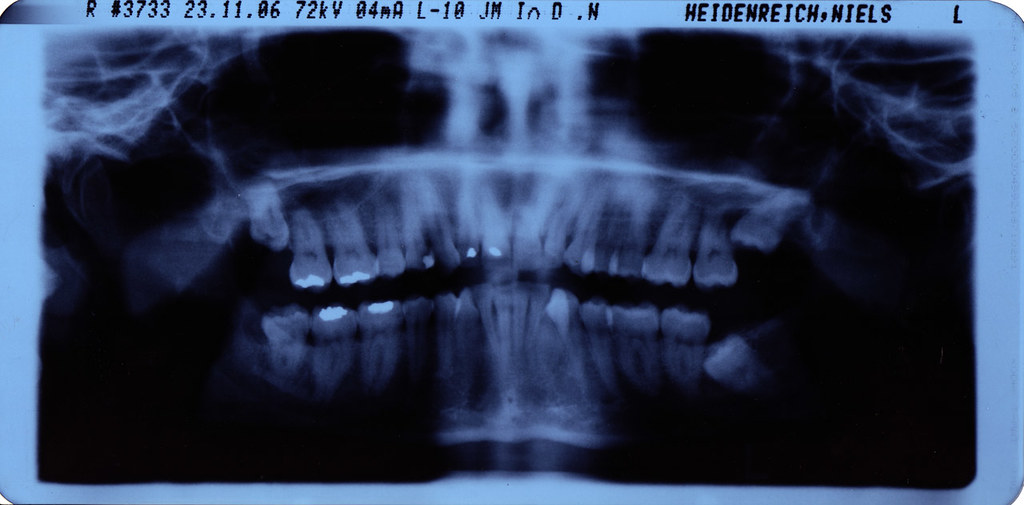
Wisdom teeth, also called third molars, are the last teeth to come in, usually between the ages of 17 and 25. Because they show up last, there is often not enough room left in the jaw for them to erupt into a useful position. When that happens, a tooth can become impacted, meaning it stays trapped under the gum or bone, or grows in at an angle and presses against the neighboring molar.
What Happens If You Don’t Get Your Wisdom Teeth Removed?
When a wisdom tooth is healthy, fully erupted, biting correctly, and easy to keep clean, it may not need to come out at all. The trouble starts when a tooth is impacted or only partially erupted. A partially erupted wisdom tooth opens a flap in the gum where bacteria and food debris collect in a space that is almost impossible to brush or floss. Over months and years, that hidden pocket can turn into a source of chronic inflammation, infection, and decay that spreads to the second molar in front of it.
Not every retained wisdom tooth causes immediate harm, and problems do not always appear overnight. But because the back of the mouth is difficult to monitor on your own, issues frequently develop quietly and are only caught on a dental X-ray. That is why the American Dental Association encourages regular dental visits while you still have your third molars.
The Risks of Keeping Impacted Wisdom Teeth
Most of the complications oral surgeons see are tied to impacted or partially erupted teeth rather than fully healthy ones. Here are the issues that come up most often.
Infection and Gum Disease (Pericoronitis)
Pericoronitis is an infection of the gum tissue around a partially erupted wisdom tooth. It causes swelling, tenderness, a bad taste, and sometimes difficulty opening the mouth or swallowing. These infections can flare repeatedly, and in more serious cases the infection can spread into the surrounding tissues of the face and neck, which needs prompt treatment.
Decay and Damage to Neighboring Teeth
An angled wisdom tooth often pushes directly against the second molar in front of it. That pressure, plus the debris trapped between the two teeth, creates a perfect setting for cavities and gum breakdown on a healthy tooth that was never at risk before. Decay on a second molar caused by an impacted wisdom tooth can be difficult to restore and, in some cases, threatens a tooth you would otherwise keep for life.
Cysts and Jaw Damage
Wisdom teeth that stay buried in the bone can develop a fluid-filled sac, called a cyst, around the crown of the unerupted tooth. Over time, a growing cyst can erode the jawbone, damage nearby tooth roots, and, though rare, lead to other growths that require surgical removal. Because this process is usually painless in the early stages, it is often discovered only through imaging.
Crowding, Bite Changes, and Cleaning Problems
Even wisdom teeth that manage to erupt can sit so far back that keeping them clean is a daily struggle, which raises the risk of decay and gum disease at the very back of the mouth. Many patients also report pressure, aching, or a feeling of tightness as their third molars push forward. While the role of wisdom teeth in front-tooth crowding is still debated among clinicians, the cleaning and maintenance challenges are very real.
When Is It Safe to Keep Your Wisdom Teeth?
Removal is not automatic. If your wisdom teeth are fully erupted, healthy, in a functional bite, and you can clean around them well, a dentist or oral surgeon may recommend simply monitoring them with periodic exams and X-rays. Guidance from professional bodies such as the American Association of Oral and Maxillofacial Surgeons supports an individualized approach: the decision depends on the position of the teeth, your symptoms, and your overall oral health rather than a one-size-fits-all rule.
The key with a watch-and-wait plan is that it is an active plan, not a decision to ignore the teeth. Keeping up with checkups lets your provider catch changes early, while any needed procedure is still straightforward.
What Happens If You Don’t Get Your Wisdom Teeth Removed and Wait Too Long?
Timing matters. In younger patients the tooth roots are not yet fully formed and the surrounding bone is more flexible, which generally makes extraction more predictable and recovery smoother. As you age, the roots lengthen and can grow closer to nerves and the sinus, and the bone becomes denser. That can make a delayed extraction more complex and lengthen healing.
So while waiting is sometimes appropriate, putting off a clearly needed extraction for years can turn a routine procedure into a more involved one. If your surgeon has already flagged a problem tooth, that is the signal to act rather than wait for pain to force the decision.
Warning Signs You Should See an Oral Surgeon
Book an evaluation if you notice any of the following around your back molars:
- Recurring pain, swelling, or tenderness at the back of the jaw
- Red, inflamed, or bleeding gums over a partially erupted tooth
- A bad taste, persistent bad breath, or drainage near the area
- Difficulty opening your mouth, chewing, or swallowing
- Pressure or a dull ache that comes and goes
Pain is a late signal, not an early one. Many of the most serious problems, such as cysts and hidden decay, develop with no discomfort at all, which is why a professional exam and X-ray beat waiting to see if it starts to hurt.
How an Oral Surgeon Evaluates Your Wisdom Teeth
A board-certified oral and maxillofacial surgeon reviews your symptoms and takes a panoramic or 3D X-ray to see the exact angle of each tooth, how the roots relate to the nerve and sinus, and whether any decay, infection, or cyst is present. From there you get a clear, personalized recommendation: remove now, remove soon, or continue monitoring. If a wisdom tooth has already damaged a neighboring molar beyond repair, your surgeon can also discuss replacement options such as dental implants so you understand the full picture before deciding.
You can learn more about the procedure itself on our wisdom teeth removal page, and see what recovery looks like in our extraction post-operative instructions.
Frequently Asked Questions
Can wisdom teeth cause problems years later?
Yes. Impacted wisdom teeth can stay quiet for years and then trigger infection, decay in the neighboring tooth, or a cyst in the jaw. Because these changes are often painless at first, regular dental X-rays are the best way to catch them early.
Is it ever okay to never remove your wisdom teeth?
It can be. If your wisdom teeth are fully erupted, healthy, biting properly, and easy to clean, your provider may recommend monitoring them instead of removing them. The right choice depends on your individual anatomy, so ask your dentist or oral surgeon.
What happens if you leave an impacted wisdom tooth in?
An impacted tooth left in place raises the risk of pericoronitis, decay and gum disease on the second molar, and cyst formation in the jaw. Your surgeon can tell you whether your specific tooth is likely to cause trouble based on its position on an X-ray.
Does removing wisdom teeth get harder with age?
Often, yes. In younger patients the roots are less developed and the bone is more forgiving, which tends to make extraction and recovery simpler. Delaying a clearly needed extraction for many years can make the procedure more complex.
How do I know if I need my wisdom teeth removed?
The only reliable way is an exam with X-rays. A board-certified oral surgeon can see the angle, roots, and any hidden damage, then give you a personalized recommendation. This article is general education and is not a substitute for that professional evaluation.
Talk to a Board-Certified Oral Surgeon in Austin
Still wondering what happens if you don’t get your wisdom teeth removed in your particular case? The safest answer comes from an X-ray and an exam, not a guess. At Eggleston Oral & Maxillofacial Surgery in downtown Austin, board-certified surgeon Dr. Todd Eggleston will review your teeth and give you a straight, no-pressure recommendation. Schedule a consultation to get a clear plan for your wisdom teeth.
This article is for general educational purposes only and is not medical advice. Always consult a qualified oral surgeon or dentist about your specific situation.