You can usually begin eating after oral surgery once the effects of anesthesia have started to wear off, but the exact timing depends on the procedure and your oral surgeon’s instructions. After many extractions and other oral surgeries, patients are encouraged to start with soft, cool or lukewarm foods and avoid chewing directly on the surgical site. Eating too soon, choosing hard foods, or chewing aggressively can irritate the area and interfere with healing.
At Eggleston Oral & Maxillofacial Surgery in Austin, TX, Dr. Todd Eggleston and our team walk patients through exactly what to eat and when during the first days of recovery.
The American Association of Oral and Maxillofacial Surgeons (AAOMS) recommends always following your individual surgeon’s post-operative instructions during the early healing window.
Your first meal after oral surgery should be small, soft, and easy to eat. As your mouth heals, you can gradually return to your normal diet. However, procedures such as wisdom tooth removal, dental implant placement, bone grafting, and multiple extractions may require more specific dietary restrictions.
When Can You Eat After Oral Surgery?
The amount of time you should wait before eating depends on the type of oral surgery you received and the anesthesia or sedation used during the procedure.
In many cases, patients can begin eating once they are fully awake and the initial effects of anesthesia have diminished. If your mouth is still significantly numb, it may be better to wait before eating because you could accidentally bite your cheek, lip, or tongue.
Your oral surgeon may also provide specific instructions about when to begin eating and what foods to choose.
For example, after a tooth extraction, you may be instructed to wait until the initial bleeding is controlled before eating. After more extensive surgery, your dietary restrictions may be different.
We provide detailed post-operative instructions that can help patients understand what to expect during recovery.
Why Should You Be Careful When Eating After Oral Surgery?
Eating after oral surgery is not simply about avoiding pain. The surgical site needs time to begin healing, and certain foods or eating habits can irritate the area.
After an extraction, a blood clot forms inside the tooth socket. This clot helps protect the underlying bone and tissues while healing begins.
If the clot is disturbed, the extraction site may become more painful and potentially develop a complication such as dry socket.
This is why patients are often advised to avoid foods that are hard, crunchy, sticky, spicy, or difficult to chew during the early recovery period.
Your goal during the first stage of recovery should be to get adequate nutrition and fluids without placing unnecessary pressure on the surgical site.
What Should You Eat First After Oral Surgery?
Soft foods are generally easier to manage immediately after oral surgery.
Depending on your surgeon’s instructions and your individual procedure, options may include:
- Applesauce
- Yogurt
- Mashed potatoes
- Pudding
- Smooth soups that are not hot
- Scrambled eggs
- Soft pasta
- Cottage cheese
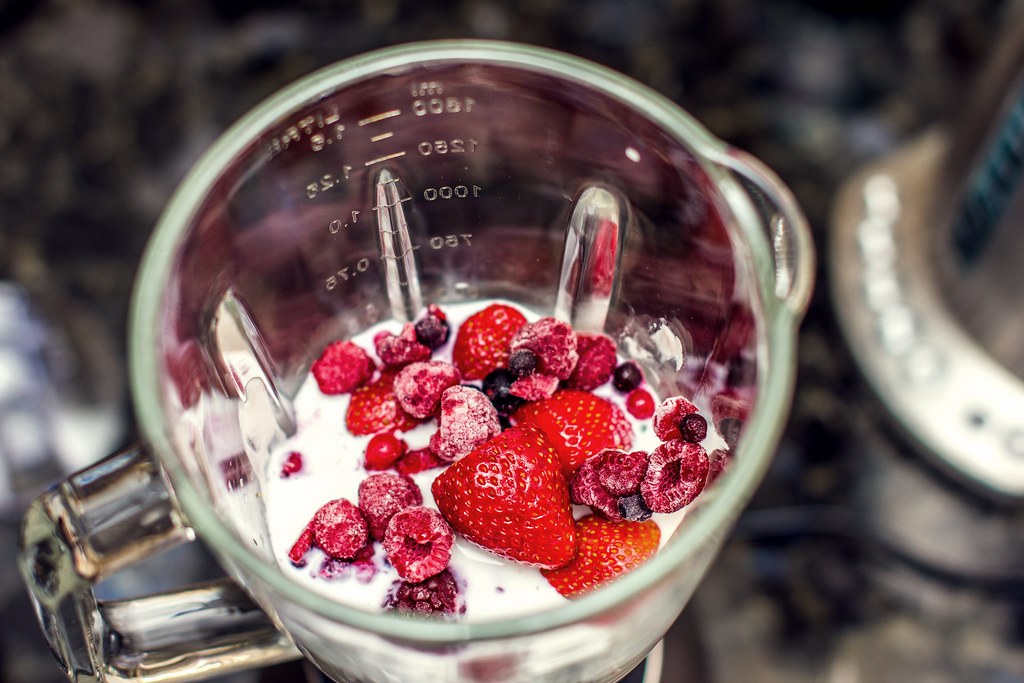
- Smoothies eaten without a straw
- Soft oatmeal
- Mashed vegetables
- Soft fish
The best choices are foods that require little or no chewing and can be comfortably swallowed.
We provide additional guidance in our resource about what to eat after oral surgery.
Can You Eat Immediately After Tooth Extraction?
You may be able to eat relatively soon after a tooth extraction, but you should follow the specific instructions given by your oral surgeon.
If your mouth is still numb from local anesthesia, waiting until you have regained sufficient sensation can help reduce the risk of accidentally biting yourself.
You should also avoid disturbing the extraction site while eating.
Rather than chewing directly over the surgical area, use the opposite side of your mouth when possible. Take small bites and eat slowly.
For additional recovery guidance, review what to do after tooth extraction.
What Can You Eat After Tooth Extraction?
After a tooth extraction, soft foods are generally easier to tolerate during the first part of recovery.
Some appropriate options may include:
Yogurt
Yogurt is soft and requires little chewing. It can be a convenient option when your mouth is tender.
Choose varieties without hard pieces, seeds, or crunchy toppings that could irritate the surgical site.
Mashed Potatoes
Mashed potatoes are soft and easy to eat. Allow them to cool to a comfortable temperature before eating.
Scrambled Eggs
Eggs provide protein and are generally soft enough to eat without extensive chewing.
Applesauce
Applesauce requires little chewing and can be easy to consume when your mouth is sore.
Soft Pasta
Softly cooked pasta may be suitable as you begin expanding your diet. Avoid sauces or ingredients that irritate the surgical site.
Smooth Foods
Smooth foods can be useful during the early stages of recovery because they require minimal chewing.
However, if you drink a smoothie, use a spoon or drink it directly from a cup rather than through a straw. Suction can potentially disturb the blood clot after an extraction.
For more information, see our guide to what to eat after tooth extraction.
How Long Should You Eat Soft Foods After Oral Surgery?
There is no single number of days that applies to every oral surgery patient.
Some people can gradually introduce more solid foods within a few days, while patients undergoing more extensive procedures may need to maintain a softer diet for longer.
Your ability to return to regular foods depends on factors such as:
- The type of surgery
- Number of teeth treated
- Location of the surgical site
- Amount of swelling
- Level of discomfort
- Whether sutures were placed
- Whether an implant or bone graft was involved
- How your surgical site is healing
A useful approach is to gradually introduce foods as your comfort and healing allow, while continuing to avoid anything your surgeon has specifically restricted.
If chewing causes pain around the surgical site, choose softer foods and give the area additional time to heal.
What Foods Should You Avoid After Oral Surgery?
Certain foods can make recovery more difficult or irritate the surgical area.
During the early healing period, your surgeon may recommend avoiding:
- Chips
- Popcorn
- Nuts
- Hard crackers
- Tough meats
- Hard candies
- Sticky foods
- Very spicy foods
- Foods with small seeds
- Very hot foods and beverages
- Crunchy vegetables
- Foods that require significant chewing
Small particles from foods such as popcorn, nuts, or seeds can become trapped around a surgical site.
Hard and crunchy foods can also place mechanical pressure on the area.
The exact restrictions depend on your procedure, so follow the instructions provided by your oral surgery team.
Can You Eat Hot Food After Oral Surgery?
It is generally advisable to avoid very hot foods and beverages immediately after oral surgery unless your surgeon tells you otherwise.
Heat can increase discomfort and may contribute to bleeding in some situations.
Instead, choose foods that are cool or lukewarm during the initial recovery period.
Allow soups, mashed potatoes, oatmeal, and other cooked foods to cool before eating them.
This is particularly important when your mouth is still numb because you may not accurately feel how hot a food is.
Can You Eat Spicy Food After Oral Surgery?
Spicy foods may irritate sensitive tissues after oral surgery.
Although tolerance varies between patients, it is generally safer to avoid foods that cause burning, stinging, or irritation around the surgical site during the early recovery period.
Once the area has healed sufficiently and your surgeon has not placed restrictions on your diet, you can gradually return to your preferred foods.
Can You Eat Crunchy Foods After Oral Surgery?
Crunchy foods are usually best avoided during the early stages of healing.
Chips, crackers, popcorn, nuts, and similar foods require significant chewing and can produce small pieces that may become lodged around the surgical site.
They can also physically irritate healing gum tissue.
Instead, choose softer alternatives until your surgeon indicates that you can return to your normal diet.
Can You Drink Through a Straw After Oral Surgery?
Using a straw is generally discouraged during the early recovery period after procedures such as tooth extraction.
The suction created when using a straw can potentially disturb the blood clot in an extraction socket.
If you want to drink a smoothie or another beverage, use a spoon or drink directly from a cup instead.
For additional information about this topic, see how long after oral surgery you can use a straw.
How Does Eating Affect the Blood Clot?
After an extraction, the blood clot is an important part of the healing process.
The clot fills the empty socket and helps protect the underlying structures.
Certain behaviors can potentially disturb it, including aggressive rinsing, forceful spitting, and creating strong suction.
Food itself does not necessarily cause a problem, but hard foods, sharp pieces, or chewing directly on the extraction site can irritate the area.
Eating slowly and choosing soft foods can reduce unnecessary contact with the surgical site.
If you experience unusual pain or other symptoms during recovery, contact your oral surgery team for guidance.
What Happens If You Accidentally Eat the Wrong Food?
Accidentally eating something crunchy or chewing on the surgical side does not automatically mean that a complication will occur.
If you realize that you have eaten something that may irritate the area, return to softer foods and follow your post-operative instructions.
Avoid repeatedly checking or touching the surgical site with your fingers or tongue.
You should also monitor how the area feels as you recover.
Increasing pain, persistent bleeding, significant swelling, fever, or other concerning symptoms should be discussed with your oral surgeon.
We provide information about what happens if bleeding doesn’t stop after tooth extraction.
What Should You Eat After Wisdom Tooth Removal?
Wisdom tooth removal can require a longer period of dietary modification, particularly when the teeth were impacted or multiple wisdom teeth were removed.
During the first part of recovery, soft foods that require minimal chewing can be easier to manage.
Examples include:
- Yogurt
- Applesauce
- Mashed potatoes
- Scrambled eggs
- Soft pasta
- Smooth soups
- Pudding
- Soft oatmeal
- Cottage cheese
- Soft-cooked vegetables
As your mouth becomes more comfortable, you can gradually introduce foods with more texture.
However, avoid rushing the process. If a food causes pain or repeatedly gets trapped near the surgical area, choose something softer.
You can learn more about wisdom tooth treatment through our wisdom teeth page.
What Should You Eat After Dental Implant Surgery?
Dietary instructions can be especially important after dental implant surgery because the implant and surrounding tissues need time to heal.
The appropriate diet depends on the specific procedure and whether additional procedures were performed.
For example, patients who have bone grafting or other surgical procedures at the same time may receive additional dietary restrictions.
Avoid chewing directly over the implant area unless your surgeon specifically tells you that it is safe.
We provide implant and oral surgery post-operative instructions for patients recovering from these procedures.
You can also learn more about dental implants and factors that may affect implant treatment.
What If You Had Bone Grafting?
Bone grafting can be performed as part of certain dental implant treatments or other oral surgery procedures.
Because the surgical site may require protection while the graft heals, your surgeon may provide specific dietary and activity restrictions.
Do not assume that instructions for a simple tooth extraction apply to a bone graft.
We provide information about bone loss factors and additional resources related to implant treatment.
Follow your surgeon’s specific instructions regarding chewing, diet, and care of the surgical area.
How Can You Make Eating More Comfortable?
Eating can be uncomfortable during the first few days after oral surgery, but several simple strategies may make meals easier.
Eat Small Portions
Large meals may require more chewing and can be difficult when your mouth is swollen.
Start with smaller portions and eat slowly.
Chew Away From the Surgical Site
If your surgeon allows chewing, use the side of your mouth away from the surgical area whenever possible.
Choose Soft Textures
Soft foods generally require less chewing and may place less pressure on sensitive tissues.
Keep Foods at a Comfortable Temperature
Very hot foods may increase discomfort during the early recovery period. Lukewarm or cool foods may be easier to tolerate.
Stay Hydrated
Drink plenty of fluids according to your surgeon’s recommendations. Use a cup instead of a straw if you have been instructed to avoid suction.
How Long Does Pain Last When Eating After Oral Surgery?
Some discomfort while eating can be normal during the early stages of recovery.
Swelling and tenderness may make chewing uncomfortable, particularly after more extensive oral surgery.
However, pain should generally become more manageable as healing progresses.
If pain becomes significantly worse after initially improving, contact your oral surgeon.
We provide a pain timeline after implants or extraction that can help patients understand the general recovery process.
Individual recovery times vary, so your surgeon’s assessment should take priority over a general timeline.
What Other Instructions Should You Follow After Oral Surgery?
Eating is only one part of post-operative care.
Your oral surgeon may also provide instructions regarding:
- Oral hygiene
- Medications
- Physical activity
- Smoking and vaping
- Sleeping position
- Rinsing
- Bleeding control
- Swelling management
- Follow-up appointments
For example, we provide guidance about how to sleep after oral surgery.
Patients should also avoid smoking and vaping according to their surgeon’s instructions. More information is available in our resource about smoking, vaping, and oral healing.
Following all of your instructions together can help support a smoother recovery.
What If You Experience Bleeding While Eating?
Some minor bleeding or oozing can occur after oral surgery.
If bleeding begins while eating, stop and follow the bleeding-control instructions provided by your surgeon.
Avoid repeatedly disturbing the surgical area.
If bleeding is heavy, persistent, or does not respond to the instructions you were given, contact your oral surgeon for guidance.
We have a dedicated resource explaining what happens if bleeding doesn’t stop after tooth extraction.
When Should You Contact Your Oral Surgeon?
Contact your oral surgery team if you experience symptoms that seem unusual or significantly worse than expected.
You should seek professional guidance for symptoms such as:
- Severe or worsening pain
- Persistent or heavy bleeding
- Significant or rapidly increasing swelling
- Fever
- Pus or unusual drainage
- Difficulty breathing or swallowing
- Persistent numbness
- Other symptoms specifically identified by your surgeon as warning signs
Your oral surgeon can determine whether the symptoms are part of normal healing or require additional treatment.
If you need to speak with our practice, you can visit the practice’s contact page.
Preparing for Oral Surgery Can Make Recovery Easier
Knowing what to eat before and after oral surgery can make the recovery period more manageable.
If sedation will be used, your oral surgery team may provide specific instructions about eating and drinking before the procedure. These instructions can be particularly important because eating too close to sedation may affect the safety of the procedure.
Review the practice’s pre-operative instructions for sedation before your appointment and follow the instructions provided by your surgical team.
If your dentist is referring you for treatment, we also provide a referral resource.
A Gradual Return to Eating Supports a Comfortable Recovery
You can often begin eating after oral surgery once you are sufficiently awake, the effects of anesthesia have diminished, and your surgeon’s instructions allow it. Start with soft, easy-to-eat foods, avoid very hot or crunchy foods, and do not chew directly on the surgical site.
The timeline for returning to a normal diet varies by procedure and patient. Following your oral surgeon’s specific instructions is the safest way to know when you can resume your usual foods.
Questions About Your Recovery?
Every patient’s healing timeline is different. If you have questions about your procedure or recovery, contact Eggleston Oral & Maxillofacial Surgery in Austin, TX, and our team will help you with personalized guidance.